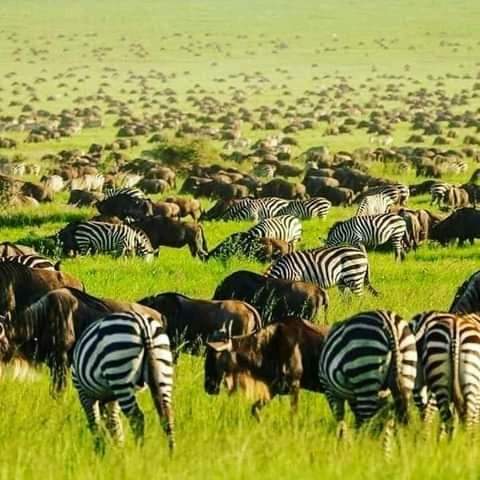
Ranking as the 6th largest national park in Tanzania and covering an area of 2,600 square kilometres, Tarangire National Park is most popular for its large elephant herds and mini wildlife migration that takes place during the dry season, when about 250,000 animals enter the park. Located slightly off the popular northern Tanzania safari circuit, the park lies between the meadows of the Masai Steppe to the south-east and the lakes of the Great Rift Valley to the north and west.
The permanent Tarangire River is the park's dominant feature, and the park is named after it. A number of large swamps feed off its tributaries, usually dry for most of the year but nearly impassable during the rains. Tarangire is usually very dry — drier than the Serengeti — yet its vegetation is much greener, with lots of elephant grass, vast mixed Acacia woodlands and ribbons of aquatic forest, not to forget the giant Baobab trees that can live up to 600 years, storing between 300 and 900 litres of water.
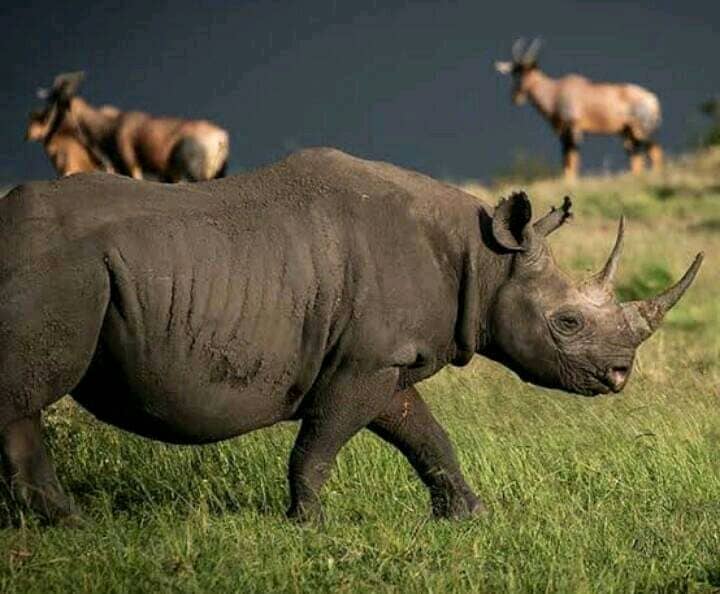
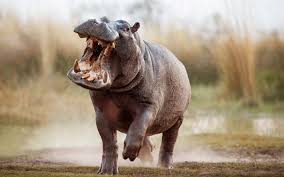
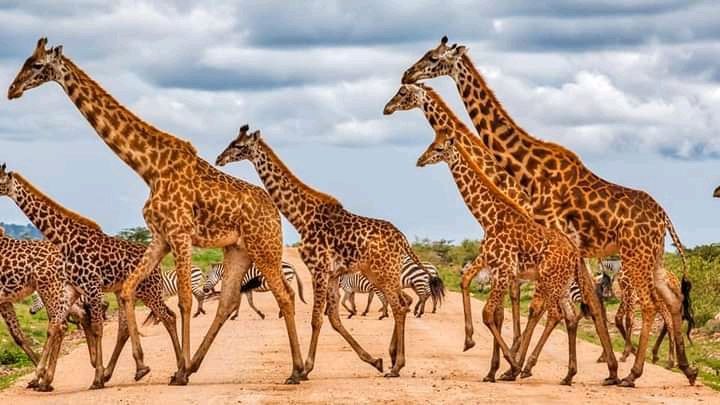
Because Tarangire is largely a seasonal park and part of a bigger ecosystem, its wildlife differs depending on the season — the dry season is the best time to visit. The park is home to one of the largest elephant populations in Africa, with herds of up to 300 members. There are also large numbers of impala, eland, buffalo, giraffe, Bohor reedbuck, Coke's hartebeest, Thomson's gazelle, greater and lesser kudu and, on rare occasions, the unusual gerenuk and fringe-eared oryx. A few Black Rhino are also thought to still be present. Among the other common predators are leopard, lion, hyena and cheetah, particularly in the southern open areas, while African wild dogs are seen only occasionally.
Tarangire's birdlife is also abundant — over 545 species have been identified here, including the stunning yellow-collared lovebird and various species of shy starling.

 Issy Adventures